


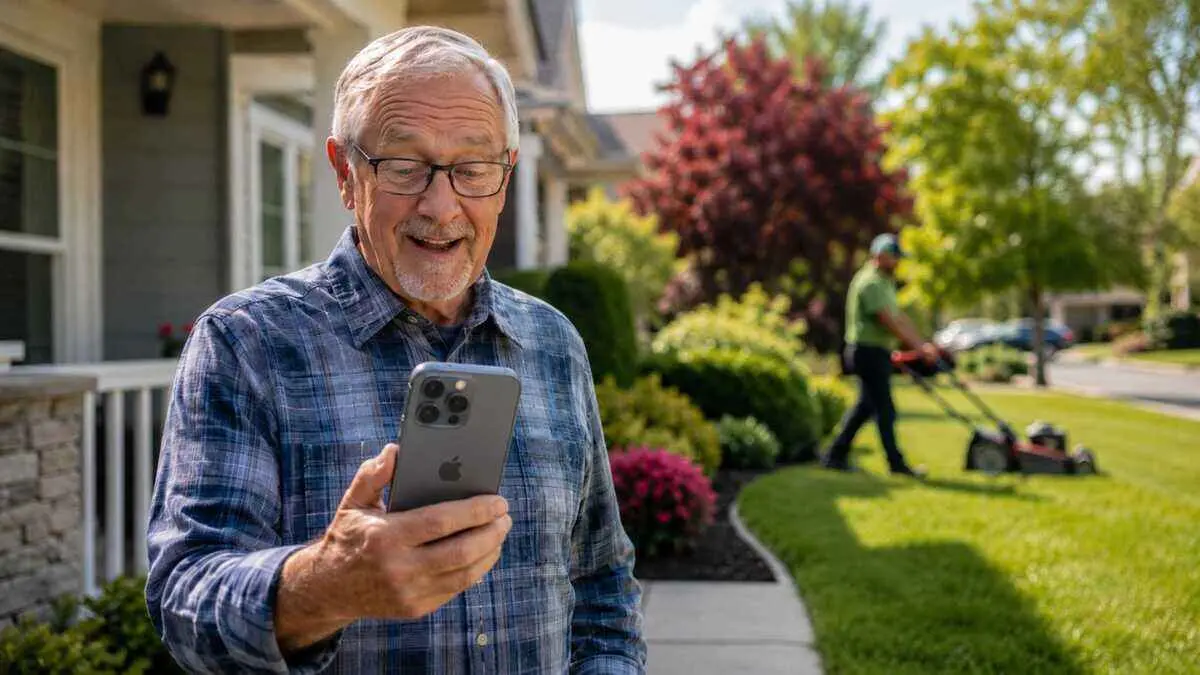
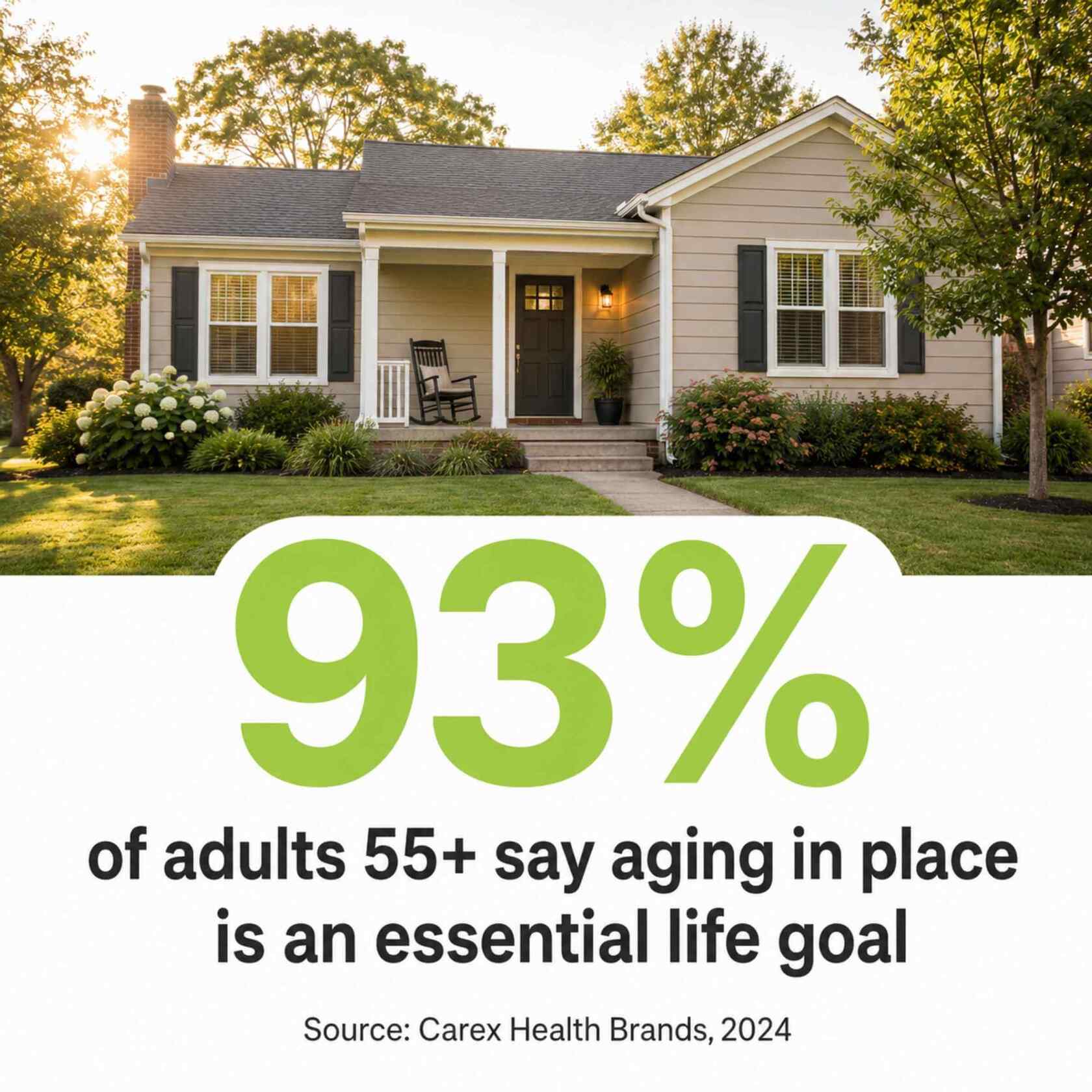
Lawn care costs rose 10.2% in 2026, but the need for a maintained yard hasn't gone anywhere. For the 93% of adults 55+ who want to age in place, keeping up with outdoor maintenance is one of the most practical challenges standing between them and staying in their homes. At GreenPal, we connect homeowners with local, pre-vetted lawn care professionals through our app, and over 30% of our users are seniors. We hear this concern regularly.
There are more affordable options in 2026 than most people realize. From on-demand lawn care apps to government assistance programs to low-maintenance landscaping changes, seniors can significantly reduce what they spend on yard upkeep without letting the lawn go.
What Professional Lawn Care Costs in 2026
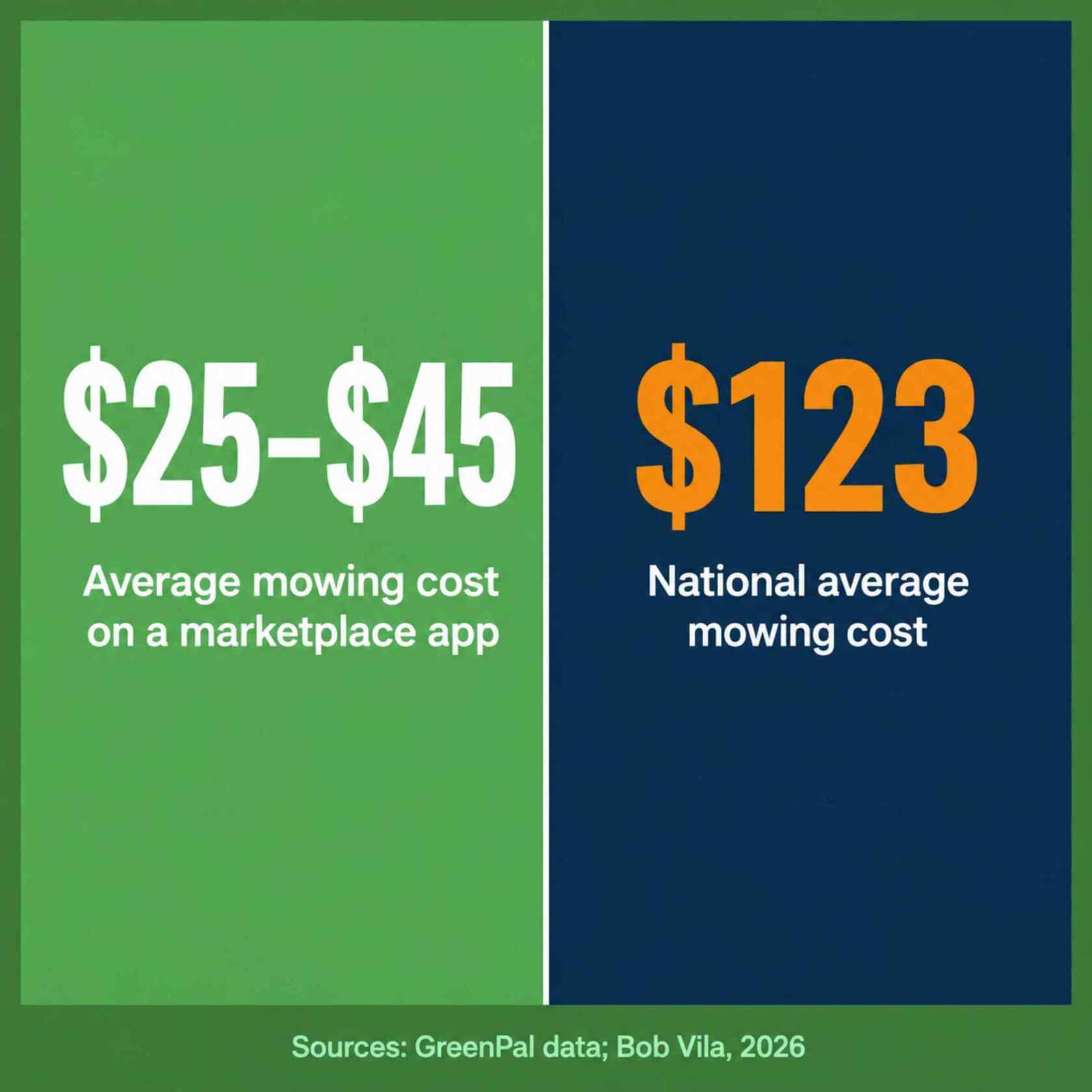
Before comparing options, it helps to understand the baseline. The national average sits around $124 per mowing visit, though what you actually pay depends heavily on your lawn size and location.
Lawn Size |
Typical Time |
Average Cost Per Visit |
Small (under 1/8 acre) |
Under 15 minutes |
$30–$45 |
Standard (1/4 acre) |
15–30 minutes |
$45–$65 |
Medium (1/2 acre) |
30–45 minutes |
$50–$100 |
Large (1 acre) |
1–2 hours |
$80–$200 |
Estate (2–3 acres) |
2–4 hours |
$100–$400 |
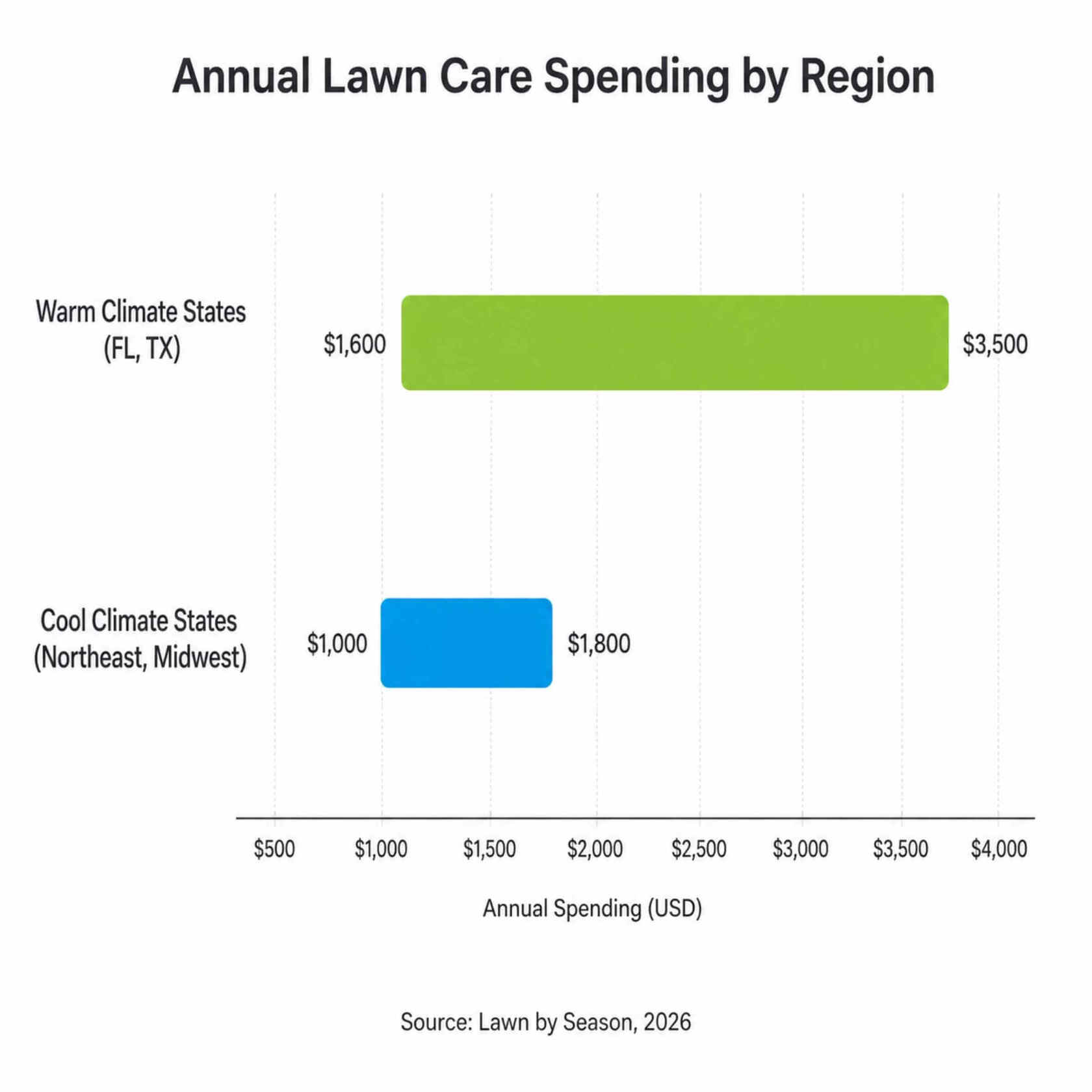
Add-on services like aeration ($80–$200), fertilization, and leaf removal ($200–$500) can push seasonal totals considerably higher. Annual totals vary significantly by climate: warm states like Florida or Texas, where grass grows year-round, typically run $1,600–$3,500, while Northeast and Midwest homeowners with shorter growing seasons usually spend $1,000–$1,800.
For a detailed breakdown of what services cost in your area, our lawn maintenance pricing guide covers the full picture.
How Lawn Care Apps Keep Prices Down
One of the most effective ways to reduce what you pay for lawn care is to use a competitive bidding marketplace rather than calling a single company for a quote. With GreenPal, you enter your address and receive up to five bids from vetted local professionals, often within 15 minutes.
Because providers set their own rates and compete for jobs, prices are driven down naturally. Our average residential mowing runs $25–$45, compared to the $123 national average cited above. That gap exists because the marketplace model creates real price competition rather than allowing individual companies to quote without pressure.
Beyond pricing, the practical features matter a lot for seniors specifically:
Contactless service: Providers do the work while you're away, with no need to be home or interact during the visit.
Photo proof: Time-stamped before-and-after photos are sent to your phone when the job is complete, so you can confirm the work was done correctly without having to go outside.
Secure, cashless payment: Payment processes automatically through Stripe after service completion. No cash, no checks, no awkward doorstep transactions.
In-app scheduling: Adjust, reschedule, or cancel visits through the app without a phone call.
Verified reviews: Every review on our platform comes from a completed, paid job, so ratings reflect real service history rather than unverified feedback.
For adult children managing lawn care for parents in another city, the photo proof and multi-property features are particularly useful. You can monitor service completion remotely without putting the burden on your parent to inspect and report back.
We only take a 5% commission from providers, which is significantly lower than what some platforms charge. That structure keeps more earnings with the local professional and keeps prices lower for the homeowner.
Our article on whether apps beat calling directly walks through how the pricing difference works in practice.
Government Assistance for Senior Lawn Care
For seniors on fixed incomes, even competitive marketplace prices can be a stretch. Several federal and local programs exist specifically to help.
USDA Section 504 Program
The USDA Section 504 program provides grants of up to $10,000 for homeowners 62 and older who fall within "very low" income limits for their county. These funds are designated for removing health and safety hazards, which can include dead tree removal, uneven pathways that create trip hazards, and drainage issues. Loan amounts up to $40,000 are also available for broader home repair needs.
Municipal "Chore" Programs
Many cities run their own assistance programs for senior residents, often funded through federal Community Development Block Grants.
City / Program |
Services Provided |
Eligibility |
Garland, TX |
Summer mowing (first-come) |
Age 60+, low income |
Cleveland, OH |
Mowing, leaf raking, basic repairs |
Seniors and adults with disabilities |
Atlanta, GA (NPU-S) |
Coupon-based mowing and trimming |
Age 62+, NPU-S resident |
Los Angeles, CA |
Deferred maintenance up to $20,000 |
Age 62+, low/moderate income |
Hennepin County, MN |
Mowing, snow removal, cleaning |
Age 60+, sliding fee scale |
Programs vary significantly by location. Your local Area Agency on Aging is the best starting point for finding what's available in your city. Many programs aren't widely advertised, so it's worth making a direct call
Free Lawn Care from Nonprofits and Volunteers
Several nonprofits provide completely free lawn care for seniors, veterans, and disabled individuals.
I Want To Mow Your Lawn: A 501(c)(3) with over 1,300 volunteers nationwide that offers free lawn care to seniors 65+, veterans, and those with disabilities.
Raising Men & Women: Engages youth volunteers in the "50 Yard Challenge," committing to mow 50 lawns for elderly residents, veterans, and single parents at no charge.
These programs are free and worth looking into. We've written more about this on our charitable lawn mowing page if you want to see what's available in your area.
Low-Maintenance Landscaping to Reduce Long-Term Costs
The most permanent way to lower lawn care costs is to reduce how much lawn you have. A smaller, simpler yard means fewer service hours and lower bills regardless of who does the work.
Some practical approaches:
Xeriscaping: Replacing turf with stone, mulch, and drought-tolerant plants can significantly cut ongoing labor needs. Popular in Western states, but applicable anywhere portions of the yard are difficult or expensive to maintain.
No-mow grass mixes: Fine fescue or clover blends grow slowly and typically only need cutting 2–3 times per year instead of weekly.
-
Native plantings: Local flora adapted to your region's rainfall and soil conditions generally require less water, fewer pesticides, and no additional fertilizer.
( GreenPal Marketplace )Get 5 free bids from local lawn prosTop-rated pros near you send real quotes in minutes — no contracts, no haggling.Get My Free BidsNo credit card required. Get matched in 60 seconds. Groundcovers on slopes or ditches: Planting perennials or creeping shrubs on steep terrain eliminates the need to mow those areas at all and removes a common hazard for lawn care workers and homeowners alike.
These changes involve some upfront cost, but they compound over time. A yard that previously required 30 service visits a year might only need 10 after strategic landscaping adjustments. Our guide on how to save money on lawn care covers more cost-reduction strategies worth considering alongside landscaping changes.
Robotic Mowers: Are They Worth It for Seniors?
Robotic lawn mowers have grown steadily in popularity as GPS navigation has improved enough to eliminate the need for buried perimeter wires. For seniors who want to reduce their dependence on scheduled service, the economics are worth understanding.
Investment Tier |
Cost |
Best For |
Entry-level |
$500–$1,000 |
Small, flat yards under 1/8 acre |
Mid-range |
$1,200–$2,000 |
1/4 to 1/2 acre with obstacle detection |
Premium |
$2,500–$3,500+ |
Multiple zones, slopes, 1+ acres |
Operating costs are minimal, typically $10–$30 per year in electricity. Compared to professional mowing that can total $1,500–$2,275 annually, a mid-range robotic mower reaches break-even in roughly 12–18 months. For someone planning to stay in their home for the next 5–10 years, that can translate to $10,000 or more in total savings.
The main consideration is setup. Modern units are largely self-operating once configured, but the initial installation and programming may require help from a family member or tech-savvy neighbor
Protecting Seniors from Contractor Scams
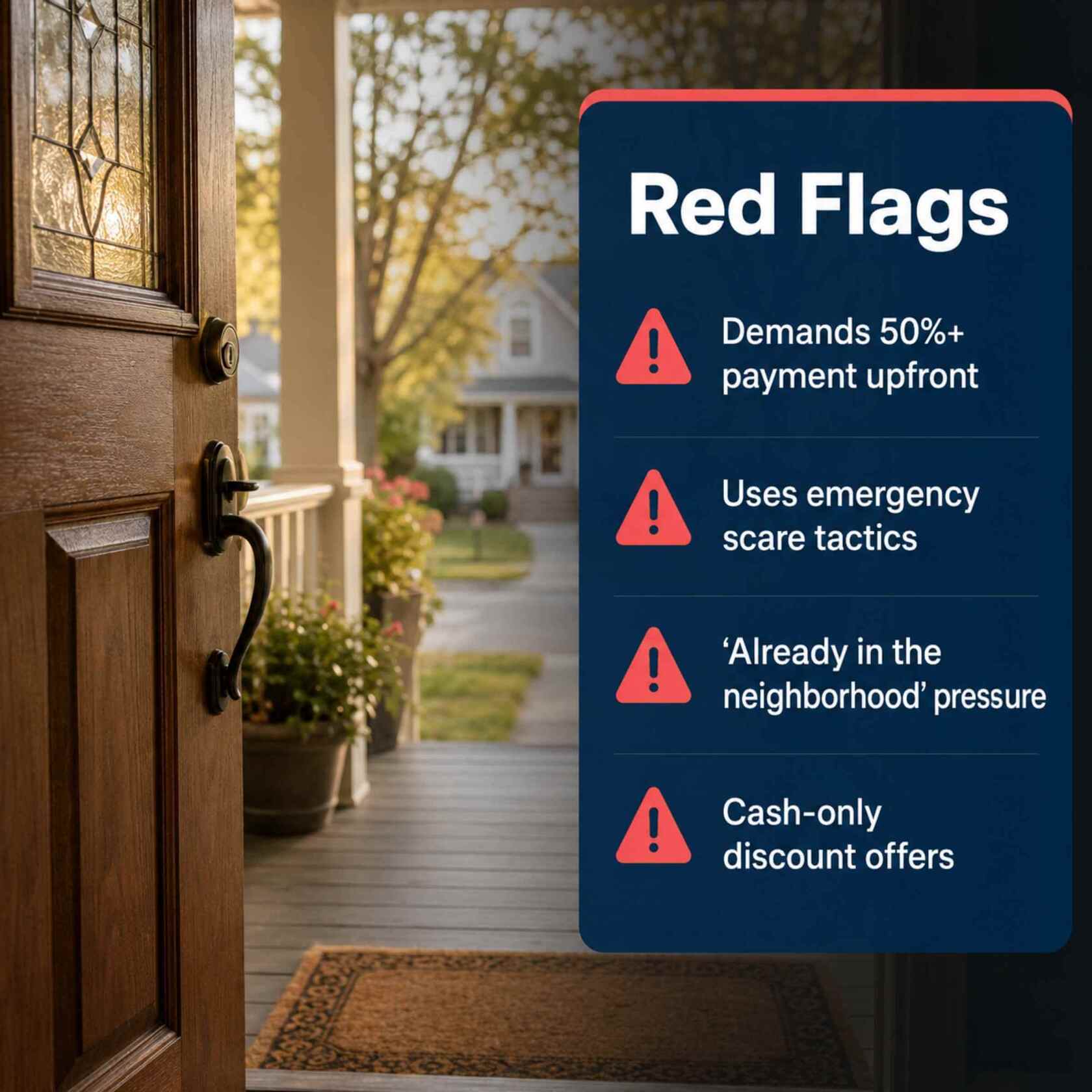
As lawn care costs rise, predatory contracting practices have become more common. Seniors are frequently targeted by "storm chasers" and door-to-door contractors who use high-pressure tactics to secure payment for substandard work.
Common warning signs include:
Demanding more than 50% of the payment before work begins
Using emergency language to rush a decision ("Your tree could fall any day")
"We're already in the neighborhood" deals that create false urgency
Cash-only discounts that remove any payment trail or dispute mechanism
Using a vetted marketplace app eliminates most of these risks. Because our reviews are only collected from completed, paid jobs, contractors cannot inflate their reputations through purchased or fake feedback. Payment is held until the job is done and photo-confirmed, so there's no scenario where someone takes your money and disappears.
If a dispute arises, you have until midnight on the day of service to flag it, which pauses payment automatically. Our article on detecting contractor scams covers the full list of red flags to watch for when hiring any home service provider
Why Maintaining Your Lawn Is Worth the Cost
A well-maintained lawn can add up to 7% to a home's resale value, which on a $300,000 property works out to $21,000. Annual lawn care spending looks different when you factor in that return. Our article on how landscaping helps sell your home goes deeper on the curb appeal connection.
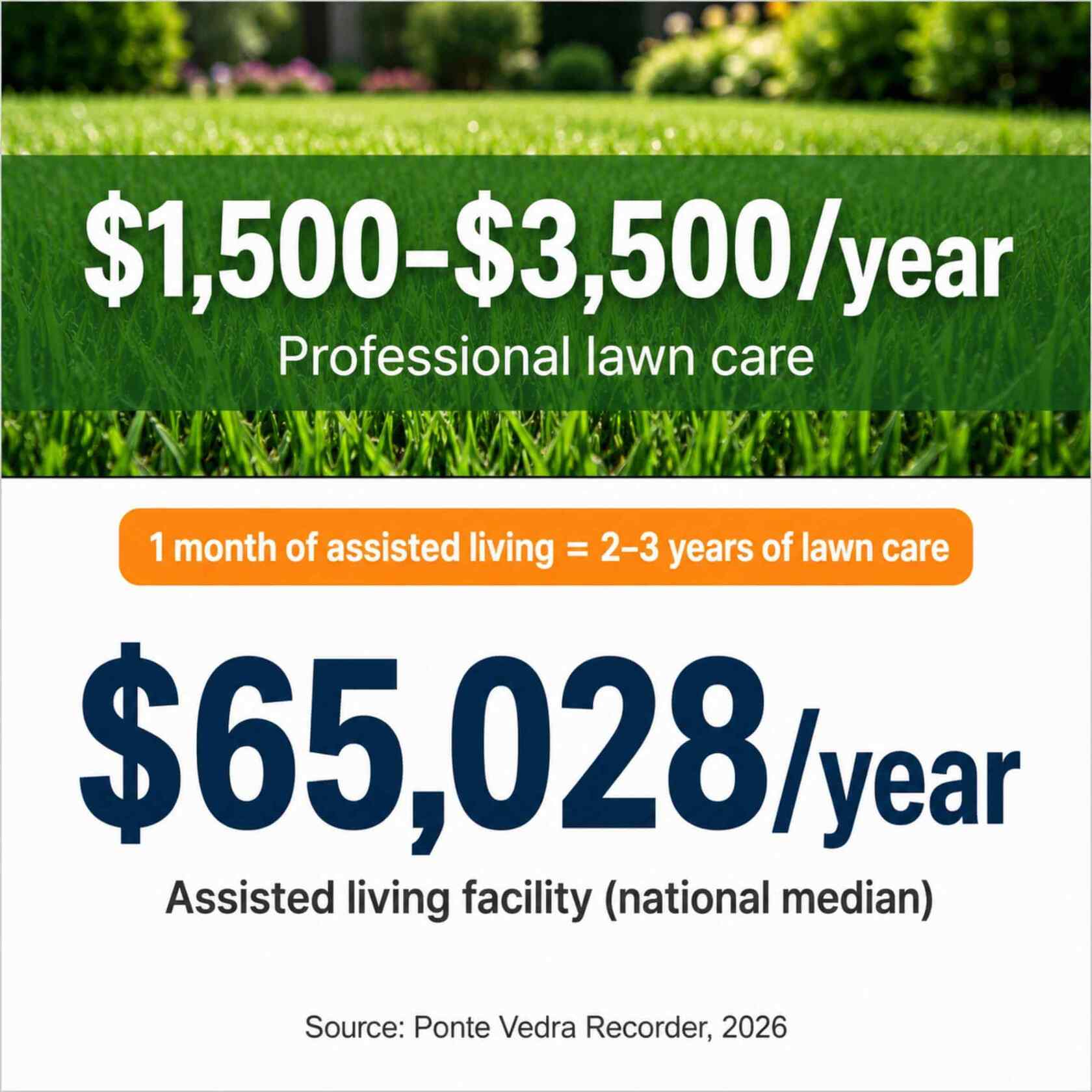
There's also the independence angle. According to A Place for Mom's 2026 cost report, the national median for assisted living runs $5,419 per month, or about $65,000 per year. For the cost of a single month in assisted living, a senior can pay for two to three years of professional lawn maintenance. Keeping a yard maintained is one of many factors that helps seniors remain safely and comfortably in their own homes longer.
If you're weighing the math on hiring versus doing it yourself, our article on whether hiring lawn care is worth it breaks it down in detail
Get Free Lawn Care Quotes on GreenPal
We're free to use and take less than 60 seconds to get started. Enter your address, describe your lawn, and receive up to five quotes from pre-vetted local professionals. No membership fees, no upfront costs, and payment only happens after the job is complete and photo-confirmed.
Visit YourGreenPal to get quotes in your area.


